

Toy Warehouse
Company
Shop By Category
T&Cs
Shop Online
  • Box contents listed
  • Free tracked Australia-wide delivery over $150
  • 14-day returns

Pirate Treasure Dig Kit | Coin excavation kit | Archaeology dig set for kids

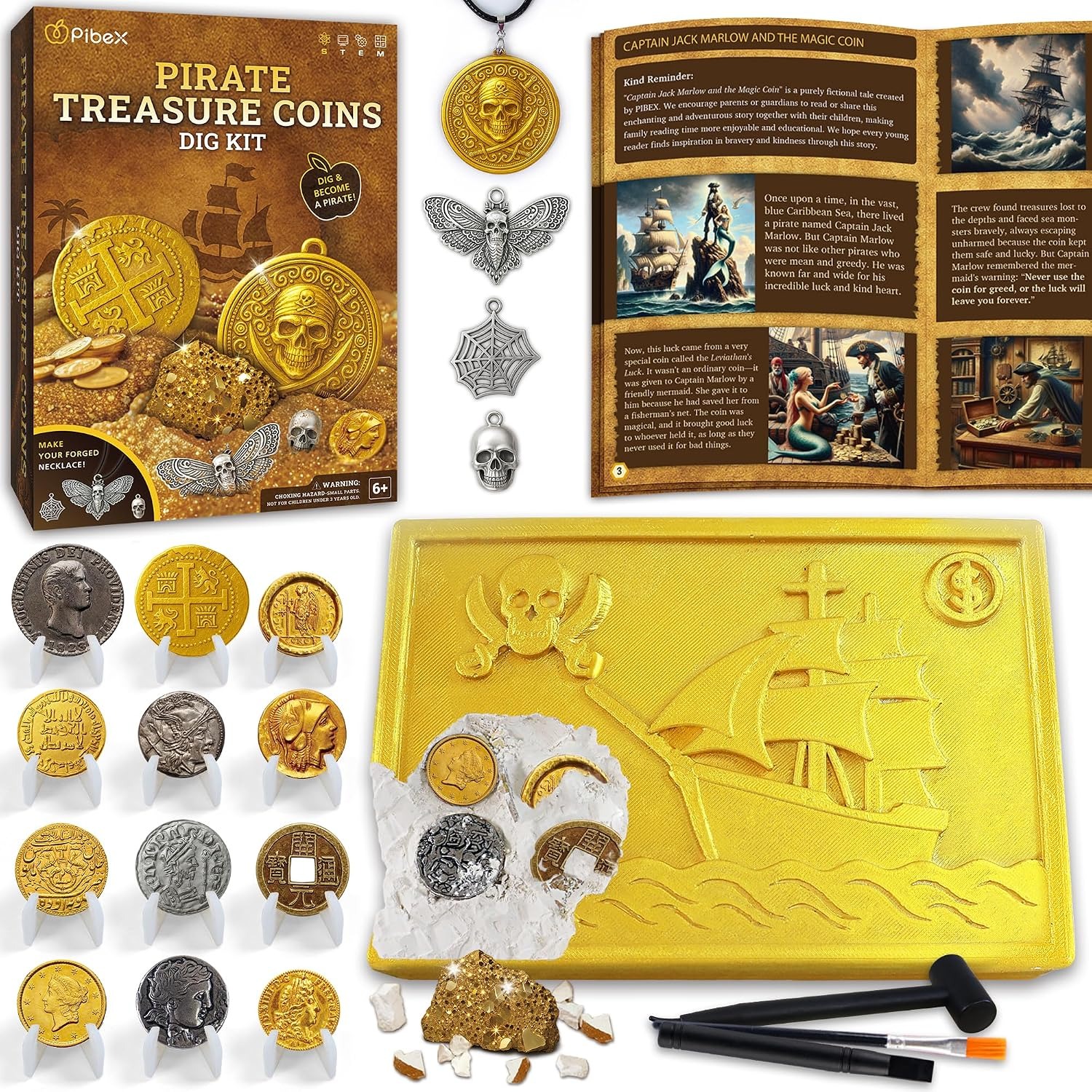
Pirate Treasure Dig Kit with 12 Metal Coin Replicas

$49.99 $59.99 Save $10
  • Real Excavation Feel
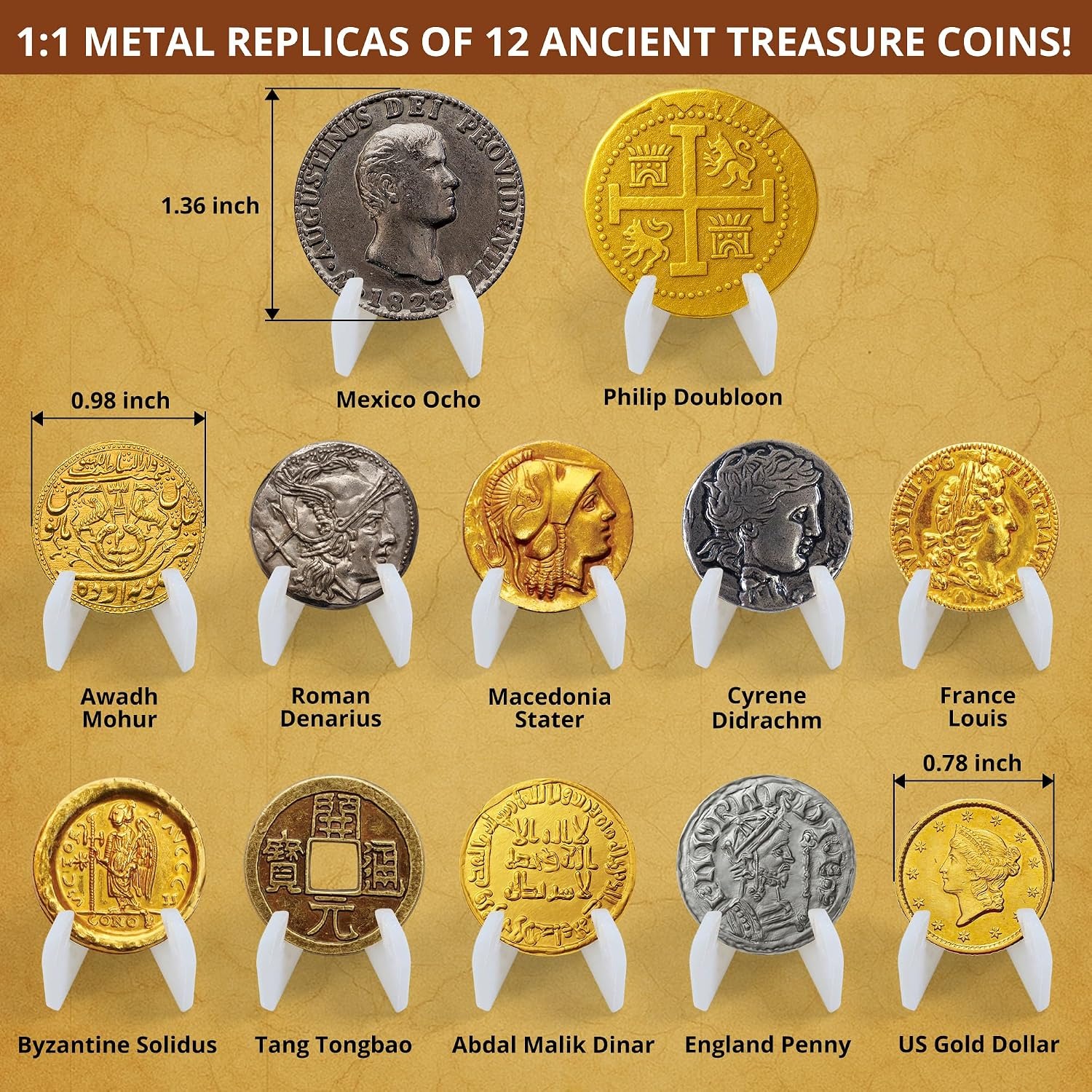
  • 12 Coin Replicas
  • Make a Necklace
  • Learning Booklet

Price: $49.99 $59.99

  • Free tracked Australia-wide delivery on orders $150+, otherwise a flat $15
  • Pay by card or PayPal, handled by the payment provider
  • 14 days to change your mind, plus your statutory rights
Product specifications
BrandPIBEX
Model NumberEC714
Manufacturer Part NumberEC714
Set NameAncient Metal Coin Replicas Set
Recommended Age6 years and up
Number of Items16
Included Components12 metal coin replicas (gold, silver and bronze styles), Captain Jack Marlow's Magic Coin (PIBEX-exclusive), 3 silver-tone pirate charms (skull, spider, butterfly), 1 Caribbean-themed golden gypsum dig block, 1 full-colour learning booklet, 1 necklace chain, 12 coin stands
Material TypeGypsum, Metal Coin
ThemeMetal Coin, Necklace Making, Party, Pirate, STEM
Educational ObjectiveConcentration, Exploratory Skills, Matching Skill, Observation Skills, STEM
Assembly RequiredNo
Item Dimensions (L x W x H)20.1 x 7.3 x 27.4 cm
Item Weight780 g
Weight780 g
Shipping & returns

Tracked delivery anywhere in Australia. It is free on orders of $150 or more, and a flat $15 below that.

If it is not right for you, send it back within 14 days of delivery in resaleable condition and we refund the price you paid, including standard delivery. That is a voluntary policy we offer on top of your legal rights. You cover the cost of returning it unless the item is faulty.

If it arrives faulty, damaged or not as described, we put it right at no cost to you under the Australian Consumer Law and the Competition and Consumer Act 2010, return postage included.

Shipping details · Refunds and returns

Real Excavation FeelA gypsum dig block that crumbles away as children chip and brush.
12 Coin ReplicasGold, silver and bronze style metal coins with display stands.
Make a NecklaceA chain and three silver-tone charms for wearable pirate loot.
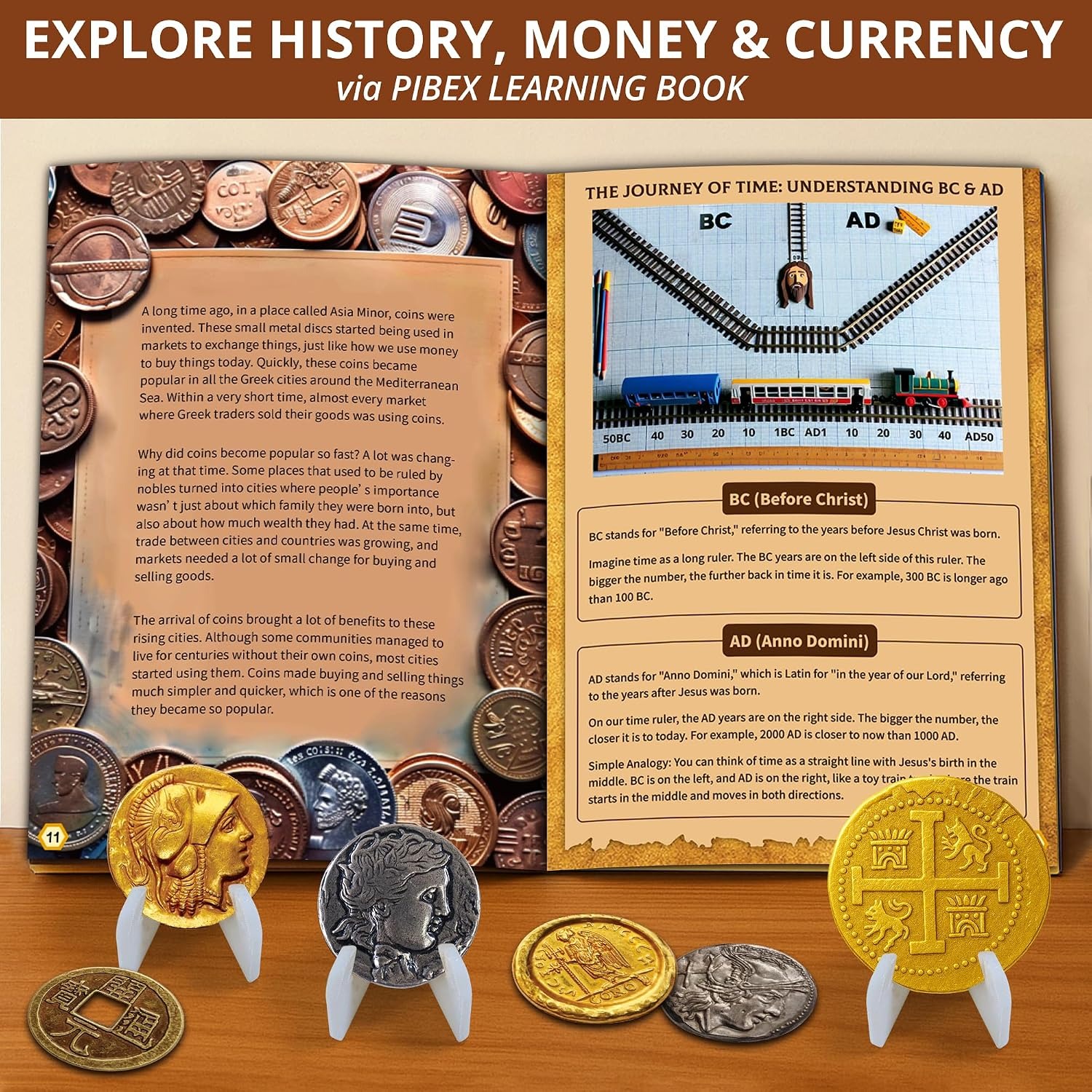
Learning BookletFull-colour booklet with historical facts about the coins.

Hand your young explorer a pirate treasure dig kit and watch an ordinary afternoon turn into a hunt for buried coins.

A Caribbean-themed gypsum dig block hides 12 metal coin replicas, a PIBEX-exclusive Captain Jack Marlow's Magic Coin, three silver-tone charms and a pyrite sample, with display stands, a necklace chain and a full-colour learning booklet included.

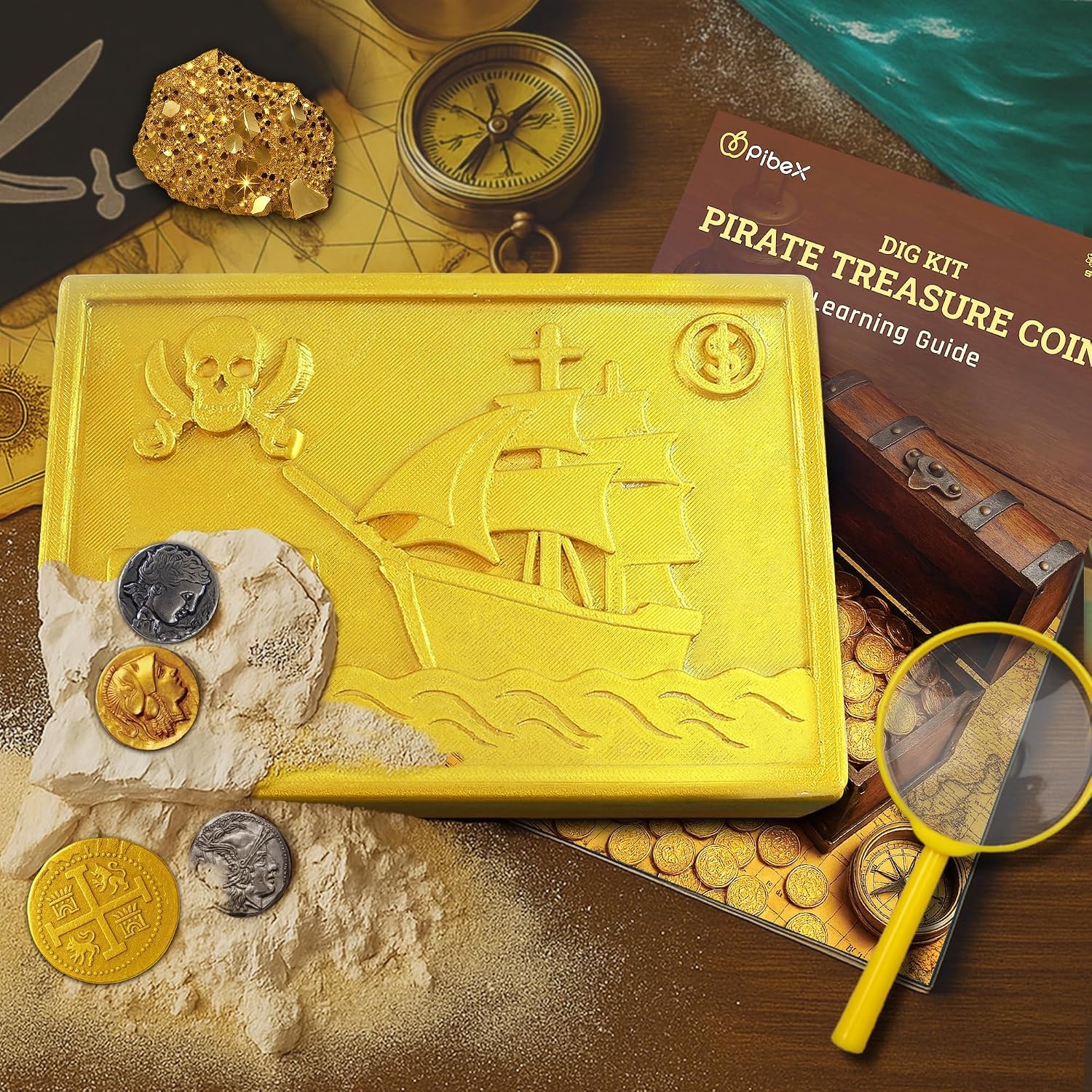
This pirate treasure dig kit buries 12 metal coin replicas inside a Caribbean-themed golden gypsum block, so every find has to be earned.

Children chip and brush their way through the block the way a real archaeology dig set for kids works, uncovering gold, silver and bronze style coins one at a time.

A PIBEX-exclusive Captain Jack Marlow's Magic Coin, three silver-tone charms and a fool's gold sample are hidden in there too.

The included necklace chain turns a favourite charm into something your child can actually wear, while 12 coin stands keep the rest on display.

A full-colour learning booklet covers the history behind the coins, which makes this coin excavation kit as much a reading project as a play one.

Pirate Treasure Dig Kit with 12 Metal Coin Replicas

Most toys give everything away in the first five minutes. This one does the opposite. The coins are sealed inside a golden gypsum block with a Caribbean theme pressed into the surface, and the only way to get them out is patient work. Children tap, scrape and brush until an edge of metal appears, and that first glint is the moment the whole thing clicks for them.

Pirate Treasure Dig Kit with 12 Metal Coin Replicas

Inside the block sit 12 metal coin replicas in gold, silver and bronze styles, plus Captain Jack Marlow's Magic Coin, which PIBEX makes exclusively for this set. Three silver-tone pirate charms are hidden in there as well, shaped as a skull, a spider and a butterfly. There is also a fool's gold sample to find, which is a nice excuse to talk about why pyrite fooled so many people for so long.

Pirate Treasure Dig Kit with 12 Metal Coin Replicas

The set does not stop once the digging is done. Twelve coin stands let a child line up the finds like a proper collection, and the necklace chain means a charm can come off the table and go around a neck. That shift from excavating to sorting to wearing is what keeps the kit in use long after the block is gone.

Pirate Treasure Dig Kit with 12 Metal Coin Replicas

A full-colour learning booklet comes with the kit and explains the history behind the coins. It gives parents and teachers something to build on, whether that is a short reading session, a homeschool unit on money, or a classroom dig activity where everyone compares what they found.

Pirate Treasure Dig Kit with 12 Metal Coin Replicas

PIBEX lists this as a set of 16 items with a recommended age of 6 years and up, and no assembly is needed. The packed size is 20.1 x 7.3 x 27.4 cm at 780 g, which makes it an easy thing to wrap and hand over at a birthday or a pirate party.

Not sure yet? That is fine.

A toy has to suit the child it is for, and you cannot always judge that from a photograph. If it is not right for you, send it back within 14 days of delivery in resaleable condition and we refund the price you paid, including standard delivery. That is on top of your Australian Consumer Law rights if anything arrives faulty.

If it turns up faulty, damaged or not as described, that is on us. The Australian Consumer Law and the Competition and Consumer Act 2010 covers you, and we pay the return postage. Read the full detail on our refunds and returns page, or ask us anything before you order.

Frequently Asked Questions

What exactly is in this pirate treasure dig kit?

The set is listed as 16 items. It includes 12 metal coin replicas in gold, silver and bronze styles, Captain Jack Marlow's Magic Coin, three silver-tone pirate charms, a Caribbean-themed golden gypsum dig block, 12 coin stands, a necklace chain and a full-colour learning booklet.

How does the excavation actually work?

The coins and charms are set inside a gypsum block. Children chip away at the plaster and brush the dust aside until each piece is exposed. It is slow on purpose, because the pace is what makes the find feel earned.

What age is this archaeology dig set for kids aimed at?

PIBEX recommends 6 years and up. Younger children often enjoy it with an adult doing the harder chipping while they handle the brushing and sorting.

Are the coins real currency?

No. They are metal coin replicas made for play and display, not legal tender or collectible bullion. The learning booklet explains the real coins they are based on.

What are the coins made from?

The listing gives the material type as gypsum and metal coin. The exact metal alloy is not specified by the maker.

What is Captain Jack Marlow's Magic Coin?

It is a PIBEX-exclusive coin included in this set alongside the 12 replicas. It is the piece most children go hunting for first once they know it is in there.

Is there really fool's gold inside?

Yes, the kit is described as including a fool's gold find. Pyrite is a mineral that looks like gold at a glance, which makes it a good talking point about testing what you find rather than trusting your eyes.

How long does the dig take?

It varies with how hard a child works at it. Most families spread it over a session or two, and many prefer to stop and come back rather than rush the whole block in one sitting.

Does it need assembly?

No. The listing states no assembly is required. Open the box, set up a protected surface and start.

Is this a good stem treasure hunt toy for a classroom?

It suits small group work well because the digging, sorting and reading can be split between children. One block per pair or small table keeps everyone involved.

How messy is it?

Gypsum crumbles into a fine dust and powder as you work. Dig over a tray, old towel or newspaper, and keep a dustpan nearby so cleanup is a two-minute job.

Can the dust be washed down the sink?

Better not to. Plaster dust can settle and harden in pipes. Sweep or vacuum it and put it in the bin instead.

Should children wear eye protection?

Eye protection is sensible whenever small fragments are flying. Keep faces back from the block, work slowly, and have an adult nearby for the first few minutes.

What tools do you use to dig?

The block is worked with chipping and brushing. The components list in the maker's details covers the coins, charms, block, stands, chain and booklet, so check the box contents on arrival for the tool set included.

How big is the box?

The item measures 20.1 x 7.3 x 27.4 cm and weighs 780 g. That is a comfortable size to wrap or post as a gift.

What can the necklace chain be used for?

It threads through a charm or a coin so a child can wear a favourite find. It turns the dig into something that lasts past the afternoon.

What are the three charms?

They are silver-tone pirate charms shaped as a skull, a spider and a butterfly. They are small, so keep an eye on them around very young siblings.

What do the coin stands do?

Each of the 12 stands holds a coin upright so the set can be displayed on a shelf or desk. It is a simple way to start a kids coin collecting kit.

Is the learning booklet worth reading?

Yes, if you want more than a dig. It is a full-colour booklet with historical facts about the coins, which gives children a reason to look up what they just uncovered.

Does this suit a homeschool archaeology kit lesson?

It fits neatly into a unit on ancient history, money or minerals. The dig covers the hands-on part and the booklet gives you the reading and discussion material.

Can two children share one kit?

They can, as long as they take turns or work different corners of the block. Many families buy one each for a party so nobody has to wait.

Is it a good pirate party gift for kids?

It works well as a main gift or a prize. The theme is clear from the box, and the finds give a party guest something to take home and keep.

How do I clean the coins after digging?

Brush off the loose dust first, then wipe with a dry or barely damp cloth and dry them right away. Avoid soaking them or using harsh cleaners.

Can the block be dug outdoors?

Outdoors is often easier because the dust blows away rather than settling on the floor. Pick a calm spot so small charms do not get lost in grass.

Is the kit safe for a child with sensory sensitivities?

The texture is dry, dusty plaster and the work is repetitive, which some children find calming and others dislike. If dust is a problem, a damp brush and a tray help a lot.

What skills does it build?

PIBEX lists concentration, exploratory skills, matching skills, observation skills and STEM learning. In practice it rewards patience and careful hands more than speed.

Can the dig block be reused?

No. Once the plaster is broken apart to free the coins, it cannot be reset. The coins, charms, stands, chain and booklet all stay usable.

Does it come with a warranty?

The maker does not state warranty. If something arrives damaged or incomplete, contact us and we will sort it out.

How is it delivered and can I return it?

It ships in its retail box to your delivery address. If you need to return it, get in touch and we will walk you through the steps and the return window for your country.

What if it is not right for my child?

If the kit arrives and it is not the fit you hoped for, message us with your order number and tell us what happened. Keep the packaging where possible, and we will arrange a return, a replacement or a refund depending on the situation.

The Buyer's Guide to Excavation Kits and Coin Dig Sets

6 min read Toy Warehouse

The problem with most "educational" toys

A lot of toys marketed as educational hand everything over at once. The child opens the box, sees the whole thing, plays for twenty minutes, and the novelty burns out. There is no build-up, no payoff, nothing to work toward.

An excavation kit flips that. The good stuff is hidden inside a solid block, and the only route to it is effort. That single change does something useful to how children engage. They slow down. They look closely. They learn that careful work gets better results than hammering away, usually after breaking something first and figuring out why.

This pirate treasure dig kit from PIBEX takes that idea and loads it up. Twelve metal coin replicas, an exclusive Captain Jack Marlow's Magic Coin, three charms, a fool's gold find, coin stands, a necklace chain and a booklet, all packed around a Caribbean-themed golden gypsum block.

How a gypsum dig block works

Gypsum is a soft mineral used to make plaster. When it sets, it holds its shape well but gives way under steady pressure, which is exactly what you want in a dig toy. Something harder would need tools no child should be using. Something softer would fall apart in the box.

The coins and charms sit inside the block at different depths. As a child works the surface, the plaster comes away as chips and powder. Then a brush clears the dust, and eventually a corner of metal appears. That moment, the first bit of gold showing through grey plaster, is the hook.

A couple of practical notes. Dampening the surface with a little water softens the plaster and cuts the dust, which makes the whole job easier and tidier. And working around a find rather than straight at it protects the piece and the child's patience. Rushing is the main reason a dig goes badly.

Who this suits

PIBEX recommends 6 years and up, and that feels about right. At six or seven, children have the hand control to do the work but still find uncovering something genuinely exciting. Eight to twelve is the sweet spot, because they can read the booklet, understand what a Roman coin actually was, and start treating the finds as a collection rather than just shiny objects.

It also works for groups. Classrooms and homeschool co-ops use dig kits because the activity splits naturally into stages. Some children dig, some brush and sort, some look things up. Everyone ends up with a job. If you are running a party, one kit per child or per pair avoids the waiting that ruins group activities.

Adults who like this sort of thing get something out of it too. Plenty of parents end up doing the fiddly bits while their child supervises, which is its own kind of fun.

What makes this set different

The coin component is the main thing. A lot of excavation toys hide plastic gems or moulded dinosaur bones. Those are fine, but they are generic. Here you get metal coin replicas in gold, silver and bronze styles, each based on a real historical coin, with a full-colour learning booklet explaining the background.

That turns a dig into a history lesson without it feeling like one. A child who has physically chipped a coin out of plaster is a lot more likely to read about where it came from than one handed the same facts on a worksheet.

The twelve coin stands matter more than they sound. Finds that end up in a drawer get forgotten. Finds displayed on a shelf keep getting looked at, shown to visitors and added to. The stands are what turn the kit into a kids coin collecting kit rather than a one-off activity.

Then there is the necklace chain and the three silver-tone charms, shaped as a skull, a spider and a butterfly. This is the part that tends to surprise parents. A child who has made something wearable from their own dig will wear it, and that extends the life of the toy by weeks.

And the fool's gold. Pyrite looks enough like gold to have tricked prospectors for centuries. Finding a piece gives you a natural opening to talk about how you test a claim instead of taking it at face value, which is about as close to real science as a toy gets.

How to choose an excavation kit

If you are comparing options, a few things separate the decent ones from the disappointing ones.

Look at what is actually buried. Count the items and check whether they are things a child would want to keep. Sixteen items including twelve coins is substantial compared to kits that hide three or four plastic pieces.

Check the age guidance and be honest about your child. A kit aimed at six and up assumes some patience. If your five-year-old gives up on puzzles after two minutes, plan to do this together rather than hoping they will stick with it alone.

Think about what happens after the dig. Kits with display stands, craft parts or a booklet keep earning their place. Kits where the finds have nowhere to go usually end up in the bottom of the toy box by the weekend.

Consider the mess and whether you can handle it. Plaster dust is a known quantity. Dig outside, on a balcony, or over a tray on a hard floor you can sweep. Carpet is the one place to avoid.

Finally, check the packed size if it is a gift. This one is 20.1 x 7.3 x 27.4 cm and weighs 780 g, which wraps easily and posts without drama.

Setting up the dig

Give it five minutes of preparation and the whole thing goes better.

Pick a surface you do not mind getting dusty, or cover one with newspaper, an old towel or a plastic tray with sides. Sides are the best option, because they catch the chips that would otherwise scatter.

Have a small bowl of water and a cloth nearby. Water softens plaster and keeps dust down. A soft brush, a dry cloth and good light round out the setup.

Set expectations before starting. Tell a child upfront that it takes a while and that going slowly works better. That one sentence prevents most of the frustration. It is also fine to stop halfway and come back the next day. The block is not going anywhere.

Keep a small container handy for the finds. Charms are easy to lose on a dusty table, and the skull charm in particular has a habit of disappearing.

Looking after the finds

Once everything is out, brush off the loose dust before anything else. Then wipe each coin with a dry or barely damp cloth and dry it straight away. Do not soak them, and skip the cleaning products. The replicas are meant to look aged, and aggressive cleaning works against that.

Set the coins in their stands and put them somewhere they will be seen. The charms and chain are better off in a small box or tin, because thin chains tangle fast when left loose.

For the leftover plaster, sweep or vacuum it and bin it. Avoid rinsing it down the sink, since plaster can settle and harden in pipes.

The booklet is worth keeping with the coins. Months later, when someone asks what a particular coin is, having the answer on hand is useful.

The short version

This is an excavation toy that rewards patience and then gives children something to keep. Twelve metal coin replicas, an exclusive Captain Jack Marlow's Magic Coin, three pirate charms, a fool's gold sample, twelve display stands, a necklace chain and a learning booklet, all buried in a Caribbean-themed gypsum block.

It suits ages six and up, needs no assembly, and works equally well as a birthday gift, a rainy-day project, a classroom dig activity or a homeschool history lesson. Set it up on a surface you can sweep, take it slowly, and let the first glint of gold do the rest.

Browse the shop

Ready to start the dig?

Order the kit today and give your young explorer a block of plaster with twelve coins hiding inside it.

Ask us a question

Page summary

The PIBEX Pirate Treasure Dig Kit (model EC714) is an excavation toy for ages 6 and up. Children dig through a Caribbean-themed golden gypsum block to uncover 12 metal coin replicas in gold, silver and bronze styles, plus a PIBEX-exclusive Captain Jack Marlow's Magic Coin, three silver-tone pirate charms (skull, spider and butterfly), 12 coin stands, a necklace chain and a full-colour learning booklet with historical coin facts. The set is listed as 16 items in one pack, made from gypsum and metal, with no assembly required. Packed dimensions are 20.1 x 7.3 x 27.4 cm and weight is 780 g. Colour, country of origin and GTIN are not specified by the maker. Stated learning goals include concentration, observation, matching and exploratory skills.